Sewer Ejector Pumps in St. George, UT
Basement bathrooms, laundry rooms, and below-grade plumbing fixtures depend on sewer ejector pumps to move wastewater uphill to your main sewer line. Red Rock Plumbing installs, repairs, and replaces ejector pumps across St. George and Southern Utah — keeping your below-grade plumbing reliable year-round.
Sewer Ejector Pumps in Utah County
Our St. George-based company also provides this service in Utah County. Call with your city and address to confirm the work and scheduling. Emergency dispatch depends on current availability; Southern Utah response times do not apply to Utah County.
15+
Years Experience
5.0
Star Rating
24/7
Emergency Service
100%
Satisfaction Guarantee
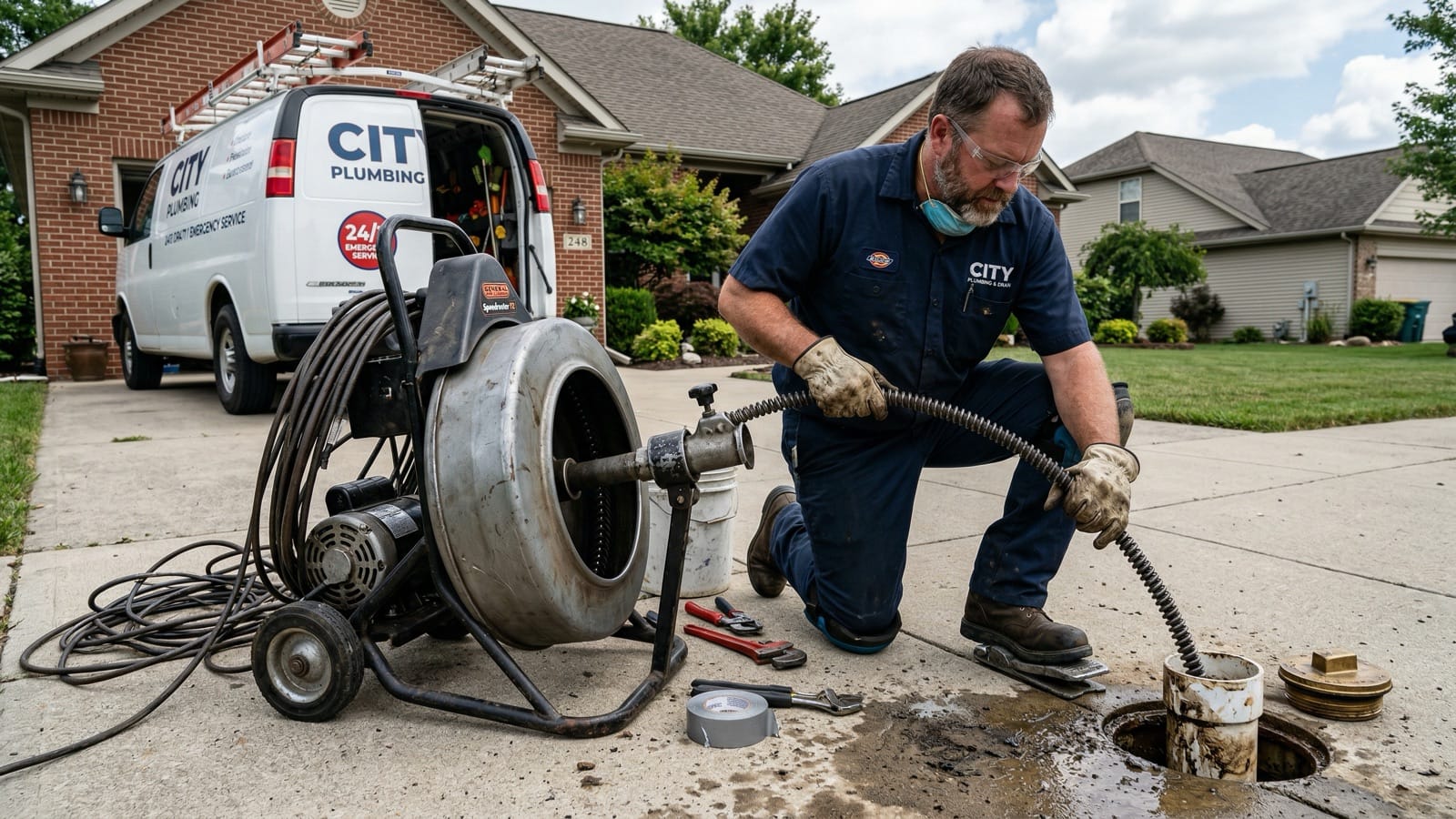
Sewer Ejector Pump Services in St. George, UT
Many homes in St. George and the surrounding Southern Utah communities have finished basements with bathrooms, wet bars, or laundry rooms that sit below the main sewer line. Since gravity alone cannot move wastewater uphill, these fixtures rely on a sewer ejector pump installed in a sealed basin beneath the floor. When that pump fails, you are dealing with sewage backups, foul odors, and potential water damage in one of the most expensive areas of your home to repair.
Red Rock Plumbing & Drain Cleaning specializes in sewer ejector pump installation, repair, and replacement throughout Washington County. Our licensed plumbers understand the unique demands Southern Utah places on ejector systems — from hard water mineral buildup that shortens pump life to the desert heat that can stress electrical components. We carry the most reliable pump brands, size the system correctly for your home's demands, and ensure the installation meets all local plumbing codes.
Whether your existing pump is making strange noises, cycling too frequently, or has stopped working entirely, call us at (435) 215-7553 for prompt diagnosis and repair. We offer same-day service for urgent situations and upfront pricing with no trip charges.
Don't Ignore the Signs
Warning Signs You Need Sewer Ejector Pumps
Don’t wait until a small problem becomes a big one. Watch for these signs in your St. George home.
Sewage Backup in Basement
Water or sewage pooling around below-grade drains or fixtures is the most urgent sign of ejector pump failure.
Grinding or Humming Noises
Unusual sounds from the ejector basin indicate a jammed impeller, failing motor bearings, or debris caught in the pump.
Sewer Gas Odors
Foul smells near your basement bathroom or laundry room suggest a cracked basin seal or a failed vent connection.
Pump Runs Constantly
A pump that never shuts off may have a stuck float switch, a failed check valve allowing backflow, or a unit that is undersized for your usage.
Tripped Breaker or GFCI
Repeated electrical trips on the ejector pump circuit indicate a short, ground fault, or motor drawing excessive current.
Slow-Draining Basement Fixtures
When below-grade sinks, showers, or toilets drain slowly, the ejector pump may be losing capacity due to wear or mineral buildup.
How Sewer Ejector Pumps Work
A sewer ejector pump sits inside a sealed pit — called a basin or crock — installed below the floor of your lowest level. Wastewater from below-grade toilets, sinks, showers, and washing machines drains by gravity into this basin. When the wastewater reaches a set level, a float switch activates the pump, which grinds solid waste and pushes the effluent uphill through a discharge pipe into your home's main sewer line. From there, gravity takes over and carries it to the city sewer or your septic system.
The sealed lid on the basin prevents sewer gases from entering your living space, and a vent pipe connects to your home's plumbing vent stack to equalize air pressure. A check valve on the discharge line prevents wastewater from flowing back into the basin when the pump shuts off. Every component needs to work together, and a failure in any part of the system can create a messy and expensive problem.
In Southern Utah, the hard water that runs through your plumbing also passes through the ejector system. Mineral deposits can accumulate on the float switch, impeller, and discharge piping, reducing pump efficiency and eventually causing premature failure. Regular maintenance and inspection are critical to keeping the system running reliably.
When to Replace vs. Repair Your Ejector Pump
Sewer ejector pumps typically last 7 to 10 years with proper maintenance, though Southern Utah's hard water can shorten that lifespan. Knowing when to repair and when to replace saves you from throwing money at a pump that is nearing the end of its useful life.
Repair is usually the right call if the pump is less than five years old and the issue is a failed float switch, a tripped breaker, a minor impeller jam, or a worn check valve. These are straightforward fixes that our plumbers can handle in a single visit.
Replacement makes more sense when the pump motor has burned out, the basin is cracked or corroded, the pump cannot keep up with your household's demand, or the unit has needed multiple repairs in the past two years. When we replace a pump, we evaluate your current usage, recommend the right horsepower rating, and install a complete system with new basin seals, a check valve, and properly vented discharge piping.
- Pump motor failure — the motor hums but doesn't activate, or doesn't respond at all
- Frequent cycling — the pump turns on and off rapidly, indicating a float switch or check valve issue
- Slow drainage — below-grade fixtures drain slowly even when the pump is running
- Sewage odors — a cracked basin seal or failed vent allows sewer gas into your home
- Visible corrosion — heavy rust or mineral buildup on the pump body or discharge piping
- Age — pumps over 8 years old in hard water areas should be proactively evaluated
Ejector Pump Maintenance for Southern Utah Homes
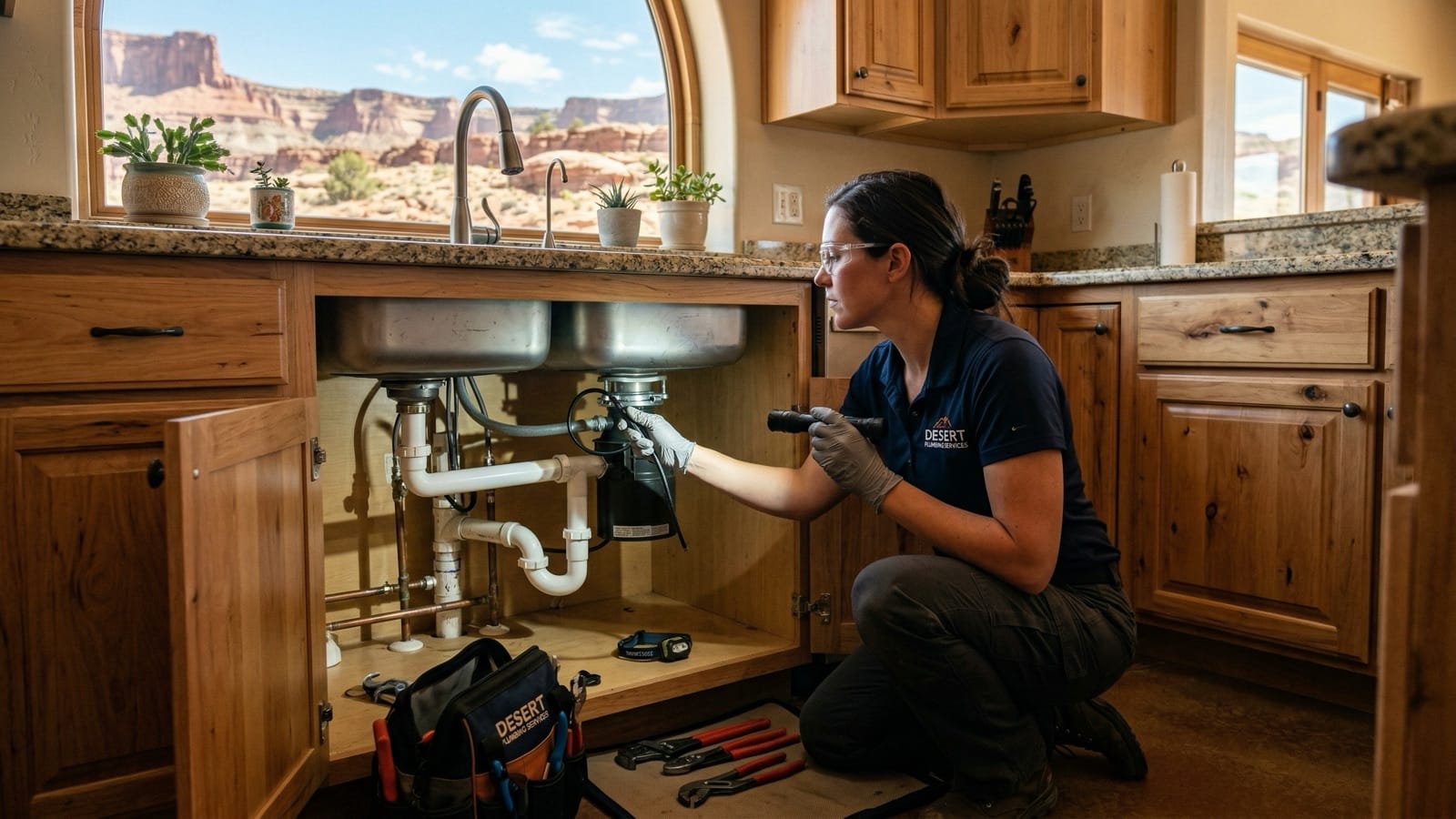
Preventive maintenance extends the life of your sewer ejector pump and helps you avoid emergency failures. We recommend an annual inspection that includes testing the float switch, checking the check valve, inspecting the basin seal for cracks, and verifying proper venting. In St. George's hard water environment, we also clean mineral deposits from the impeller and float mechanism — a step that many plumbing companies overlook but that makes a measurable difference in pump longevity.
Between professional visits, you can help keep your system healthy by avoiding flushing anything other than toilet paper and human waste into fixtures connected to the ejector pump. Wipes, feminine hygiene products, and heavy food waste can jam the impeller and burn out the motor. If you notice any changes in performance — slower drainage, unusual sounds, or odors — call Red Rock Plumbing before a minor issue becomes a sewage backup.
How It Works
Simple, Transparent Service
From the first call to the finished repair, we keep it straightforward. No runaround, no hidden fees.
Diagnosis
We inspect the ejector pump system, test the float switch and motor, camera the discharge line if needed, and identify the root cause.
Upfront Pricing
We explain the problem in plain language and give you a clear, written price before any work begins — no surprises.
Repair or Installation
Our licensed plumber completes the repair or installs a new pump system, ensuring proper sizing, venting, and code compliance.
Testing & Verification
We run multiple flush and drain cycles to confirm the pump activates correctly, drains at full capacity, and the check valve holds.
Options
Sewer Ejector Pumps Options
Choose the right option for your home and budget. Our plumbers will help you decide.
Ejector Pump Repair
Diagnosis and repair of failed float switches, check valves, impeller jams, and electrical issues on existing ejector pump systems.
- Float switch replacement
- Check valve repair or replacement
- Impeller cleaning and jam removal
- Electrical and motor diagnostics
- Basin seal inspection and repair
Ejector Pump Installation
Complete new installation for basement bathrooms, laundry rooms, or any below-grade plumbing — properly sized for your home's demands.
- Basin excavation and installation
- Pump sizing for household capacity
- Discharge piping and check valve
- Vent connection to plumbing stack
- Full code-compliant inspection
- Hard water considerations for pump selection
Ejector Pump Replacement
Removal of old or failed ejector pumps and replacement with modern, reliable units built for Southern Utah's hard water conditions.
- Old pump removal and disposal
- Upgraded pump motor and impeller
- New basin seals and hardware
- Check valve and discharge pipe upgrade
- System testing and verification
FAQ
Common Questions About Sewer Ejector Pumps
Everything you need to know about sewer ejector pumps in St. George.
What is a sewer ejector pump and do I need one?
A sewer ejector pump moves wastewater from below-grade plumbing fixtures — like a basement bathroom or laundry room — up to your home's main sewer line. If any plumbing fixtures in your home sit below the level of your sewer line, you need an ejector pump. Many finished basements in St. George homes have them.
How long do sewer ejector pumps last in Southern Utah?
Most quality ejector pumps last 7 to 10 years. However, Southern Utah's extremely hard water can shorten that lifespan due to mineral buildup on the impeller, float switch, and internal components. Annual maintenance helps extend pump life significantly.
What causes sewer ejector pump failure?
The most common causes are a stuck float switch, a burned-out motor, a jammed impeller from debris or mineral buildup, a failed check valve, and electrical issues. In our area, hard water scale is a major contributing factor that accelerates wear on all internal components.
Can I install a bathroom in my basement without an ejector pump?
Only if your basement floor is above the level of your main sewer line, which is rare. In most St. George homes with basements, the sewer line exits at or near ground level, meaning any below-grade fixtures require an ejector pump to push waste uphill.
How much does ejector pump replacement cost in St. George?
Ejector pump replacement in St. George typically ranges from $1,500 to $3,500 depending on pump size, accessibility, and whether the basin and discharge piping also need replacement. We provide a free on-site estimate with no trip charges.
My ejector pump smells bad — is that normal?
No. A properly installed ejector pump has a sealed basin and a vent connection that prevents sewer gases from entering your home. Odors indicate a cracked basin seal, a loose or disconnected vent pipe, or a dried-out trap. Call us for an inspection — this is an easy fix when caught early.
Do you offer emergency ejector pump repair?
Yes. A failed ejector pump can cause sewage backup in your basement, which is both a health hazard and a property damage risk. We offer same-day and emergency service for ejector pump failures throughout St. George and Southern Utah. Call (435) 215-7553 anytime.
How often should I have my ejector pump serviced?
We recommend annual maintenance for ejector pumps in Southern Utah. Hard water mineral buildup is the primary reason — annual cleaning of the float switch and impeller prevents the most common failure modes. It is a small investment that avoids expensive emergency repairs.
Sewer Ejector Pumps Across Southern Utah
We provide sewer ejector pumps in every community we serve. Click your city to learn more.
More Services
Related Plumbing Services
Ready to Get Started?
Need Sewer Ejector Pumps?
Call Red Rock Plumbing today for a free estimate. Available 24/7 for emergencies.