Slab Leak Repairs in St. George, UT
A slab leak is one of the most serious plumbing problems a Southern Utah homeowner can face. Red Rock Plumbing uses advanced leak detection technology to locate leaks beneath your concrete foundation and provides expert repair options that protect your home's structure and your wallet.
Slab Leak Repairs in Utah County
Our St. George-based company also provides this service in Utah County. Call with your city and address to confirm the work and scheduling. Emergency dispatch depends on current availability; Southern Utah response times do not apply to Utah County.
15+
Years Experience
5.0
Star Rating
24/7
Emergency Service
100%
Satisfaction Guarantee
Slab Leak Detection & Repair in St. George, UT
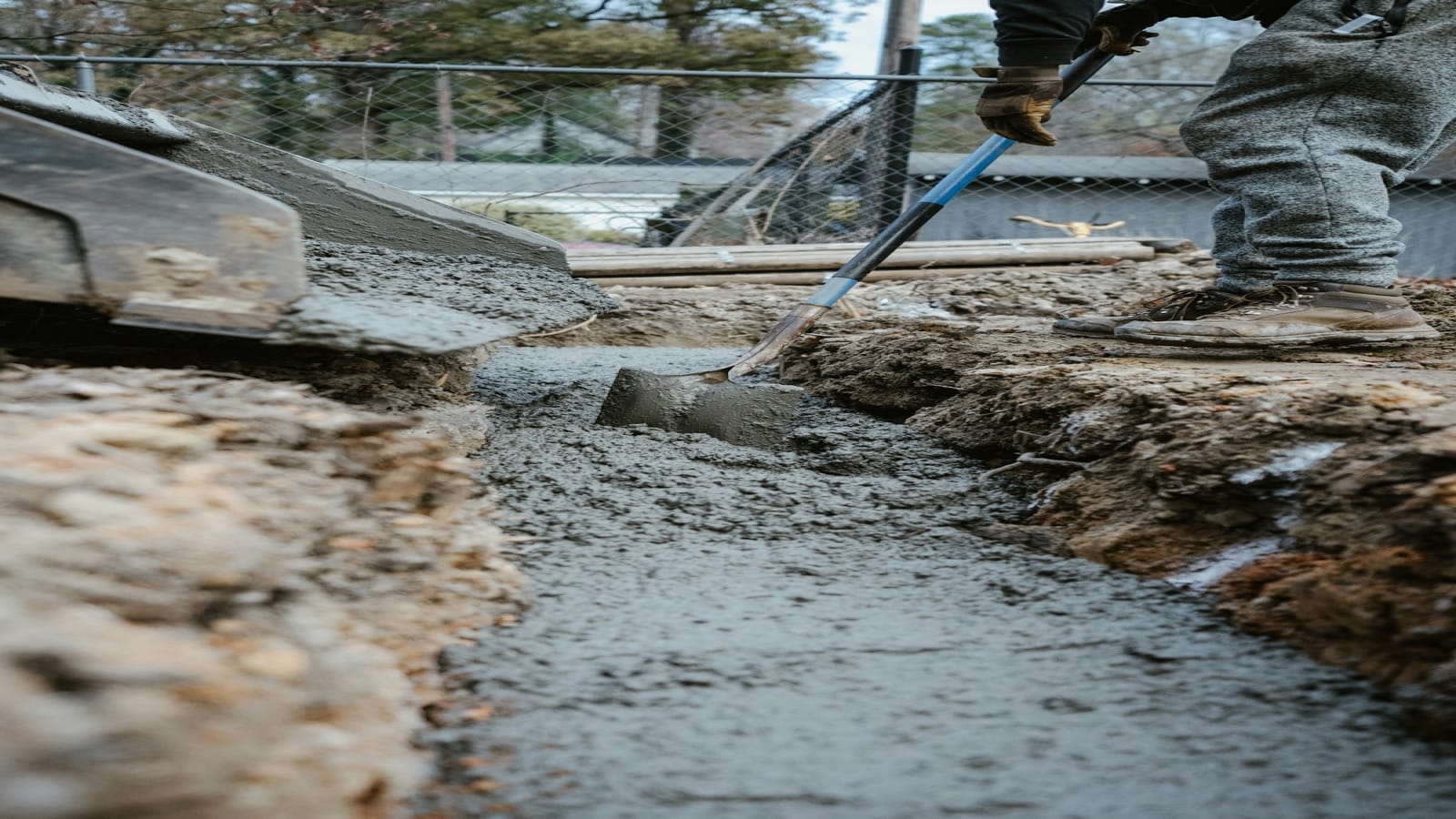
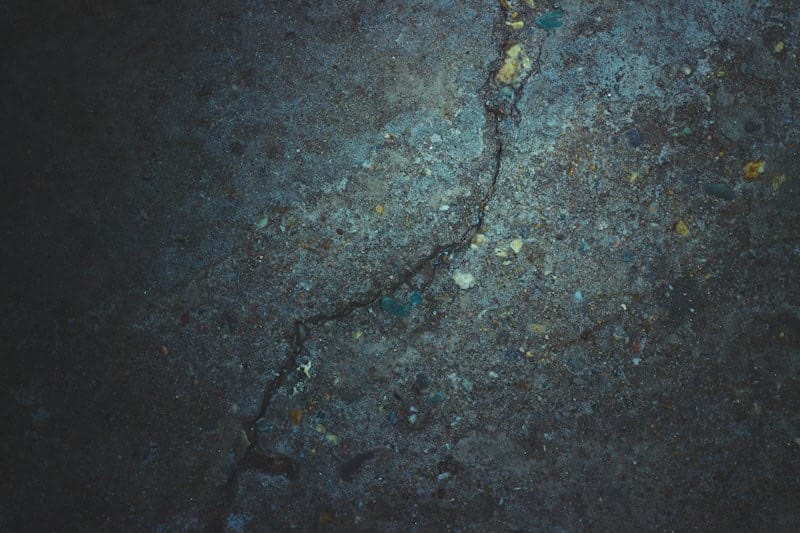
A slab leak occurs when a water supply or drain line running beneath your concrete foundation develops a crack, pinhole, or joint failure. Because the pipes are buried under several inches of concrete — and often under the finished flooring of your home — these leaks can go undetected for weeks or months, quietly causing damage to your foundation, flooring, walls, and personal property.
In Southern Utah, slab leaks are more common than in many other parts of the country, and the reason comes down to our unique geology and water chemistry. The clay-heavy desert soil in Washington County expands significantly during monsoon rains and contracts during our long dry spells. This constant expansion and contraction shifts the ground beneath your foundation, placing stress on buried water lines and creating conditions that lead to cracks and joint separations. Add in St. George's extremely hard water — among the hardest in the state — and you get accelerated corrosion and mineral erosion inside copper pipes that further weakens them from the inside out.
Red Rock Plumbing & Drain Cleaning has the experience, equipment, and local knowledge to detect slab leaks quickly and repair them with the least disruption to your home. Call us at (435) 215-7553 if you suspect a slab leak — early detection is the key to minimizing damage and repair costs.
Don't Ignore the Signs
Warning Signs You Need Slab Leak Repairs
Don’t wait until a small problem becomes a big one. Watch for these signs in your St. George home.
Warm or Wet Spots on Floors
Unexplained warm areas on tile or carpet, or damp spots that appear without any visible source, often indicate a hot water line leaking beneath the slab.
Unexplained Water Bill Increase
A sudden spike in your water bill without a change in usage is one of the earliest indicators of a slab leak — the water is running 24/7 underground.
Sound of Running Water
Hearing water running when all fixtures are turned off suggests a pressurized supply line is leaking continuously beneath your foundation.
Cracks in Walls or Foundation
Water eroding soil beneath your slab can cause foundation settling and shifting, leading to visible cracks in walls, ceilings, or the foundation itself.
Mold or Mildew Smell
Persistent musty odors near baseboards or flooring can indicate moisture accumulating from a slab leak that is feeding mold growth.
Drop in Water Pressure
A leak in the supply line beneath your slab diverts water away from your fixtures, causing a noticeable decrease in pressure throughout the home.
How We Detect Slab Leaks
Slab leak detection requires specialized equipment and training because the leak is completely hidden beneath your concrete floor. Our licensed plumbers use a combination of electronic leak detection, acoustic listening devices, thermal imaging, and pressure testing to pinpoint the exact location of the leak without tearing up your entire floor.
Electronic leak detection uses sensitive sensors to detect the sound of pressurized water escaping from a pipe — even through several inches of concrete. Thermal imaging cameras can identify temperature differences in your floor caused by warm water leaking from a hot water line beneath the slab. Pressure testing helps us determine whether the leak is on the supply side or the drain side and how severe the flow loss is.
Once we pinpoint the leak's location, we mark it precisely and discuss your repair options before any concrete is cut. Our goal is always the least invasive repair that provides a lasting solution. In many cases, we can limit the concrete opening to a small area directly over the leak rather than cutting up large sections of your floor.
Slab Leak Repair Options
There is no one-size-fits-all repair for slab leaks. The best approach depends on the leak's location, the condition of the surrounding pipe, your home's plumbing layout, and your budget. Our plumbers will explain every option so you can make an informed decision.
- Spot Repair — We open the concrete at the leak location, repair or replace the damaged section of pipe, and patch the slab. This is the most affordable option when the leak is isolated and the rest of the pipe is in good condition.
- Reroute (Repipe Around the Slab) — Instead of digging under the slab, we abandon the leaking pipe and run a new water line through the walls or ceiling to bypass the foundation entirely. This is often the best long-term solution for homes with older copper pipe that is likely to develop additional leaks.
- Epoxy Pipe Lining — For certain drain line leaks, we can coat the inside of the existing pipe with an epoxy liner that seals cracks and pinhole leaks without cutting concrete. This works well for drain lines but is not suitable for all supply line situations.
- Full Repipe — When multiple slab leaks have occurred or the home's under-slab piping is extensively corroded, a complete repipe with modern PEX piping routed through walls and attic spaces eliminates the problem permanently and prevents future slab leaks.
Why Slab Leaks Are Common in Southern Utah
Southern Utah's unique combination of soil conditions, water chemistry, and climate creates a perfect storm for slab leaks. Understanding these factors helps homeowners recognize the risk and take preventive action.
The clay-heavy desert soil found throughout Washington County — from St. George to Washington to Hurricane — is known as expansive soil. It swells when it absorbs moisture and shrinks when it dries out. This seasonal cycle puts enormous pressure on your home's foundation and the pipes buried beneath it. Over years, this constant movement fatigues pipe joints and creates stress points that eventually crack.
St. George's water supply is among the hardest in Utah, with total dissolved solids (TDS) regularly exceeding 400 parts per million. The high concentration of calcium and magnesium in the water erodes copper pipes from the inside, creating pinhole leaks that are impossible to see until they start damaging your home. Homes built with copper supply lines under the slab are especially vulnerable.
Temperature extremes add another factor. Summer temperatures in St. George regularly exceed 110 degrees, heating the soil and the pipes inside it. Rapid temperature changes — like a monsoon rainstorm cooling superheated ground — cause thermal expansion and contraction that stresses pipe material over time. These are conditions that plumbers in milder climates never have to consider, but they are part of everyday life here in Southern Utah.
How It Works
Simple, Transparent Service
From the first call to the finished repair, we keep it straightforward. No runaround, no hidden fees.
Leak Detection
We use electronic listening equipment, thermal imaging, and pressure testing to pinpoint the exact leak location beneath your slab.
Assessment & Options
We explain what we found, show you the evidence, and walk you through every repair option with clear pricing for each approach.
Expert Repair
Our licensed plumber performs the chosen repair — spot fix, reroute, lining, or repipe — with quality materials and code-compliant methods.
Pressure Test & Cleanup
We pressure test the repaired line to verify a complete seal, restore any concrete or flooring access points, and clean up the work area.
Options
Slab Leak Repairs Options
Choose the right option for your home and budget. Our plumbers will help you decide.
Spot Repair
Direct access to the leak through a targeted concrete opening. Best when the leak is isolated and surrounding pipe is in good condition.
- Minimal concrete removal
- Lowest upfront cost
- Same-day repair in most cases
- Ideal for newer homes with one leak
Reroute / Repipe
Abandon the under-slab pipe and run new lines through walls, attic, or ceiling. Eliminates future slab leak risk on that line permanently.
- No concrete cutting required
- Eliminates future slab leak risk
- Modern PEX piping for durability
- Best long-term value for older homes
- Accessible for future maintenance
Epoxy Pipe Lining
Internal coating that seals cracks and pinhole leaks from the inside without excavating concrete. Best for certain drain line repairs.
- No-dig solution for drain lines
- Seals cracks and small leaks
- Minimal disruption to your home
- Extends pipe life by decades
FAQ
Common Questions About Slab Leak Repairs
Everything you need to know about slab leak repairs in St. George.
How do I know if I have a slab leak?
Common signs include unexplained increases in your water bill, the sound of running water when all fixtures are off, warm or damp spots on your floor, mildew smells near baseboards, and cracks appearing in walls or the foundation. If you notice any of these, call Red Rock Plumbing for a professional leak detection assessment.
Why are slab leaks so common in St. George?
Southern Utah's clay-heavy desert soil expands and contracts with moisture changes, shifting your foundation and stressing the pipes beneath it. Combined with our extremely hard water that corrodes copper pipes from the inside, St. George homes face a higher risk of slab leaks than most areas in the country.
How much does slab leak repair cost in Southern Utah?
Spot repairs typically range from $800 to $2,500. Rerouting a water line runs $1,500 to $4,000 depending on the line length and accessibility. Full repipes start around $5,000. Every situation is different, so we provide a free on-site estimate after pinpointing the leak.
Is a slab leak covered by homeowners insurance?
Most homeowners insurance policies cover damage caused by a sudden slab leak — water damage to flooring, walls, and personal property — but they typically do not cover the cost of the plumbing repair itself. We recommend contacting your insurance company as soon as a slab leak is confirmed. We can provide documentation and camera footage to support your claim.
Can a slab leak damage my foundation?
Yes. Water leaking beneath your slab erodes the soil that supports your foundation, causing settling, shifting, and cracking. In Southern Utah's expansive clay soil, this effect is amplified because the soil dramatically changes volume when it gets wet. Early detection and repair prevents costly structural damage.
Should I repair or repipe if I have a slab leak?
If your home has copper supply lines under the slab and is more than 15-20 years old, a reroute or full repipe is usually the better investment. Our hard water corrodes copper throughout the system, so fixing one spot often leads to another leak appearing nearby within a few years. We will assess your entire system and give you an honest recommendation.
How long does slab leak repair take?
A spot repair can typically be completed in one day. Rerouting a water line usually takes one to two days. A full repipe is a larger project that may take two to four days depending on the size of your home. We always give you a timeline upfront so you can plan accordingly.
Do you offer free slab leak detection?
We offer free estimates and no trip charges. If you suspect a slab leak, we will come to your home, assess the situation, and provide our findings along with repair options and pricing at no cost. Call (435) 215-7553 to schedule an inspection.
Slab Leak Repairs Across Southern Utah
We provide slab leak repairs in every community we serve. Click your city to learn more.
More Services
Related Plumbing Services
Ready to Get Started?
Need Slab Leak Repairs?
Call Red Rock Plumbing today for a free estimate. Available 24/7 for emergencies.