Stop & Waste Valve in St. George, UT
Stop and waste valves protect your outdoor plumbing and sprinkler systems from freezing during Southern Utah's cold winter nights. Red Rock Plumbing installs, repairs, and replaces stop and waste valves across St. George and Washington County — keeping your irrigation lines safe year-round.
Stop & Waste Valve in Utah County
Our St. George-based company also provides this service in Utah County. Call with your city and address to confirm the work and scheduling. Emergency dispatch depends on current availability; Southern Utah response times do not apply to Utah County.
15+
Years Experience
5.0
Star Rating
24/7
Emergency Service
100%
Satisfaction Guarantee
Stop & Waste Valve Services in St. George, UT
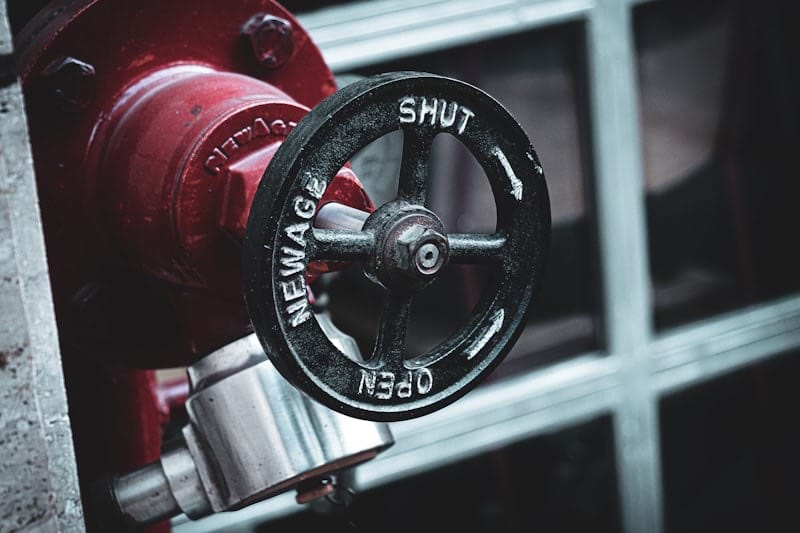
A stop and waste valve is one of the most important — and most overlooked — components of your outdoor plumbing system. This specialized valve allows you to shut off water to outdoor lines, sprinkler systems, and hose bibs, and then drain the remaining water from the pipe to prevent it from freezing and bursting during cold weather. For homeowners in St. George and Southern Utah, where winter overnight temperatures can drop below freezing despite our desert climate, a properly functioning stop and waste valve is essential protection against costly pipe repairs.
Red Rock Plumbing & Drain Cleaning provides complete stop and waste valve services throughout Washington County. Whether you need a new valve installed for a sprinkler system, a leaking valve repaired, or an old valve replaced before winter arrives, our licensed plumbers handle it quickly and affordably. We understand the specific valve configurations used in Southern Utah homes and irrigation systems, and we carry the right parts to get the job done in a single visit.
Call us at (435) 215-7553 to schedule a stop and waste valve inspection, repair, or installation. Free estimates, no trip charges.
Don't Ignore the Signs
Warning Signs You Need Stop & Waste Valve
Don’t wait until a small problem becomes a big one. Watch for these signs in your St. George home.
Valve Leaks When Closed
Water continues to flow past the valve even when fully shut off, indicating mineral buildup or a damaged seat that needs repair or replacement.
Handle is Stuck or Hard to Turn
Corrosion from hard water or lack of use can seize the valve stem. Forcing it risks snapping the stem and requiring excavation.
Wet Spot in Yard Near Valve
A persistently damp area in your landscape near a valve box may indicate a cracked valve body or failed underground connection.
Water Bill Increase After Winterizing
If your water bill stays elevated after shutting off outdoor lines, the stop and waste valve is not sealing properly and water is still flowing.
Burst Pipe After a Freeze
A pipe that bursts during the first cold snap likely was not properly drained — the waste port may be clogged or the valve may not be functioning.
Sprinkler System Won't Fully Shut Down
Sprinkler zones that continue to seep or drip after the system is winterized point to a stop and waste valve that is not closing or draining correctly.
How Stop & Waste Valves Work
A stop and waste valve combines two functions in a single device. The stop function shuts off the flow of water to a specific section of pipe — typically an outdoor line, sprinkler system, or hose bib. The waste function opens a small drain port that allows any water remaining in the downstream pipe to drain out. This is critical because water left sitting in an outdoor pipe during freezing temperatures will expand as it turns to ice, cracking the pipe or fittings and causing a flood when temperatures rise and the ice thaws.
The valve is typically installed below the frost line — the depth at which the ground no longer freezes in winter. In Southern Utah, the frost line is approximately 12 to 18 inches deep, though it varies by location and elevation. The valve body sits underground at this depth, with a long stem extending up to a handle or valve box at the surface. When you close the valve and open the waste port, water drains out of the pipe below the frost line, where it is absorbed into the surrounding soil.
Stop and waste valves are commonly found on sprinkler system supply lines, outdoor hose bib feeds, swimming pool fill lines, and any exterior plumbing that needs seasonal winterization. In many St. George subdivisions, the builder installs these valves during construction, but they can also be added to existing systems.
Common Stop & Waste Valve Problems
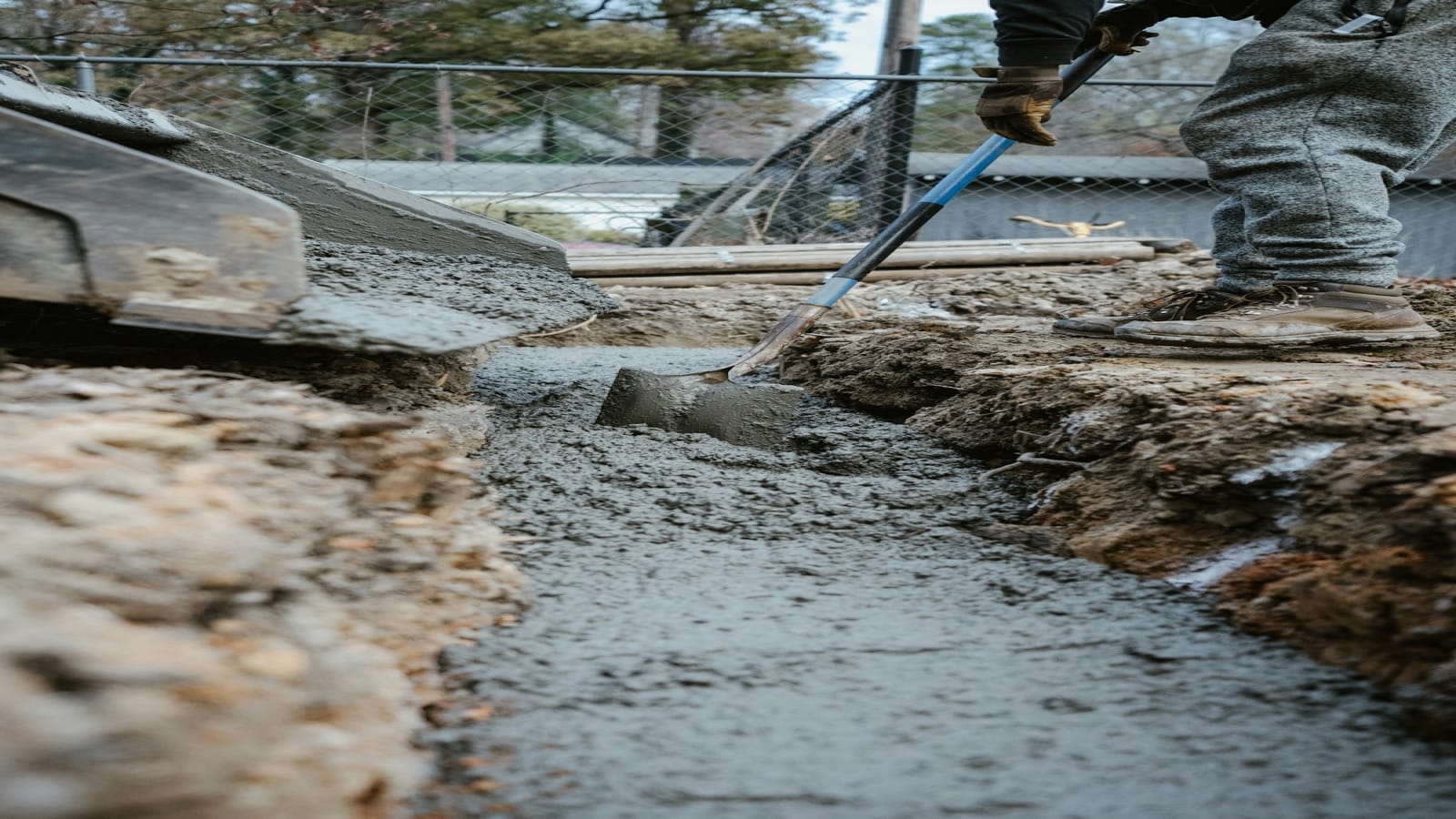
Like all plumbing components, stop and waste valves can develop problems over time — especially in Southern Utah's hard water environment. Mineral deposits from our calcium-heavy water build up on the valve seat and around the waste port, preventing a clean seal and causing leaks. The valve stem can corrode, making it difficult or impossible to turn. Underground valves can also be damaged by landscape work, soil shifting, or root growth.
- Valve won't shut off completely — Mineral buildup on the valve seat prevents a full seal, allowing water to seep through even when the handle is fully closed.
- Leaking around the stem — Worn packing material or a corroded stem allows water to leak up around the handle when the valve is open.
- Waste port won't drain — Sediment or mineral deposits block the drain port, defeating the valve's freeze protection purpose.
- Valve is stuck or frozen — Corrosion from hard water or lack of use seizes the stem, making it impossible to operate without risking breakage.
- Underground leak — A cracked valve body or failed connection creates a hidden water loss that shows up as a wet spot in your yard or an unexplained increase in your water bill.
- Broken handle or stem — Forcing a stuck valve can snap the stem, requiring excavation and replacement of the entire valve.
Winterizing Your Outdoor Plumbing in Southern Utah
While St. George is known for its mild winters compared to northern Utah, overnight temperatures still drop below freezing regularly from December through February. The higher-elevation areas of Washington County — including Hurricane, La Verkin, and Toquerville — see even colder temperatures. Every winter, Red Rock Plumbing repairs dozens of burst outdoor pipes and sprinkler lines that could have been prevented with proper winterization.
Before the first freeze each year, you should close all stop and waste valves that feed outdoor plumbing, then open the downstream hose bibs or sprinkler drain valves to let remaining water escape. If your sprinkler system has a blowout port, we recommend a professional sprinkler blowout using compressed air to clear every line and head. For hose bibs without a stop and waste valve, disconnect your garden hose — a connected hose traps water in the bib and the pipe behind it, virtually guaranteeing a freeze break on cold nights.
Red Rock Plumbing offers winterization services for residential and commercial properties throughout Southern Utah. We will check all your stop and waste valves, ensure they are operating correctly, and winterize your outdoor plumbing so you are protected when temperatures drop. Call us in the fall to schedule this service before the first freeze.
How It Works
Simple, Transparent Service
From the first call to the finished repair, we keep it straightforward. No runaround, no hidden fees.
Locate & Inspect
We locate your stop and waste valves, inspect their condition, and test their shut-off and drain functions to identify any issues.
Diagnose & Quote
We explain what we found and provide a clear, upfront price for repair, replacement, or new installation — no surprises.
Repair or Install
Our plumber repairs the existing valve or installs a new one below the frost line with proper backfill, a valve box, and tested connections.
Test & Demonstrate
We cycle the valve open and closed, verify the waste port drains correctly, and show you how to operate it for seasonal winterization.
Options
Stop & Waste Valve Options
Choose the right option for your home and budget. Our plumbers will help you decide.
Stop & Waste Valve Repair
Repair of leaking, stuck, or malfunctioning stop and waste valves — including repacking, seat cleaning, and waste port clearing.
- Valve seat descaling and cleaning
- Stem repacking to stop leaks
- Waste port clearing
- Handle and stem replacement
- Same-day service available
Stop & Waste Valve Installation
New valve installation for sprinkler systems, hose bibs, pool lines, and any outdoor plumbing that needs freeze protection.
- Installed below the frost line
- Proper backfill and compaction
- Valve box for surface access
- Connected to existing irrigation or outdoor lines
- Code-compliant installation
- Hard water rated valve components
Seasonal Winterization Service
Complete winterization of outdoor plumbing systems including stop and waste valve operation, sprinkler blowout, and hose bib protection.
- All stop and waste valves tested
- Sprinkler system blowout
- Hose bib inspection and protection
- Seasonal maintenance recommendations
FAQ
Common Questions About Stop & Waste Valve
Everything you need to know about stop & waste valve in St. George.
What is a stop and waste valve?
A stop and waste valve is a plumbing valve that both shuts off water flow and drains the remaining water from the downstream pipe. It is used to protect outdoor plumbing — sprinkler systems, hose bibs, and pool lines — from freezing and bursting during cold weather.
Do I need a stop and waste valve in St. George?
Yes. While St. George has a desert climate, winter overnight temperatures regularly drop below freezing from December through February. Without a stop and waste valve, water trapped in outdoor pipes will freeze, expand, and burst the pipe — one of the most common winter plumbing emergencies we respond to.
Where is my stop and waste valve located?
Stop and waste valves are typically located inside a valve box flush with the ground surface, near where the outdoor water line exits your home or connects to the sprinkler system. They can also be in the basement or crawl space. If you cannot find yours, we can help you locate all valves on your property.
My stop and waste valve is leaking — can it be repaired?
Often, yes. Common repairs include repacking the stem, cleaning mineral deposits from the valve seat, and clearing the waste port. If the valve body is cracked or severely corroded from our hard water, replacement is the better option. We will assess the valve and recommend the most cost-effective solution.
When should I winterize my outdoor plumbing in Southern Utah?
We recommend winterizing before the first expected freeze, which typically arrives in late November or early December in the St. George area. Higher-elevation communities like Hurricane and La Verkin may see freezing temperatures earlier. Scheduling a winterization service in October or early November ensures you are protected.
Can hard water damage my stop and waste valve?
Absolutely. St. George's extremely hard water deposits calcium and magnesium on the valve seat, stem, and waste port over time. This buildup prevents the valve from sealing properly and can block the drain function. Annual inspection and maintenance extends valve life significantly.
How much does stop and waste valve installation cost?
New stop and waste valve installation in St. George typically ranges from $300 to $800 depending on the location, depth, and whether we need to tie into an existing line. Repairs are usually $150 to $400. We provide free estimates with no trip charges.
Can you add a stop and waste valve to my existing sprinkler system?
Yes. We frequently retrofit stop and waste valves onto existing sprinkler systems, especially in older St. George homes where the original builder did not include one. It is one of the best investments you can make to protect your irrigation system from winter freeze damage.
Stop & Waste Valve Across Southern Utah
We provide stop & waste valve in every community we serve. Click your city to learn more.
More Services
Related Plumbing Services
Ready to Get Started?
Need Stop & Waste Valve?
Call Red Rock Plumbing today for a free estimate. Available 24/7 for emergencies.