Sump Pumps in St. George, UT
Sump pumps protect your home from flooding caused by groundwater, monsoon storms, and plumbing failures. Red Rock Plumbing installs, repairs, and maintains sump pump systems throughout St. George and Southern Utah — giving you reliable flood protection when you need it most.
Sump Pumps in Utah County
Our St. George-based company also provides this service in Utah County. Call with your city and address to confirm the work and scheduling. Emergency dispatch depends on current availability; Southern Utah response times do not apply to Utah County.
15+
Years Experience
5.0
Star Rating
24/7
Emergency Service
100%
Satisfaction Guarantee
Sump Pump Services in St. George, UT
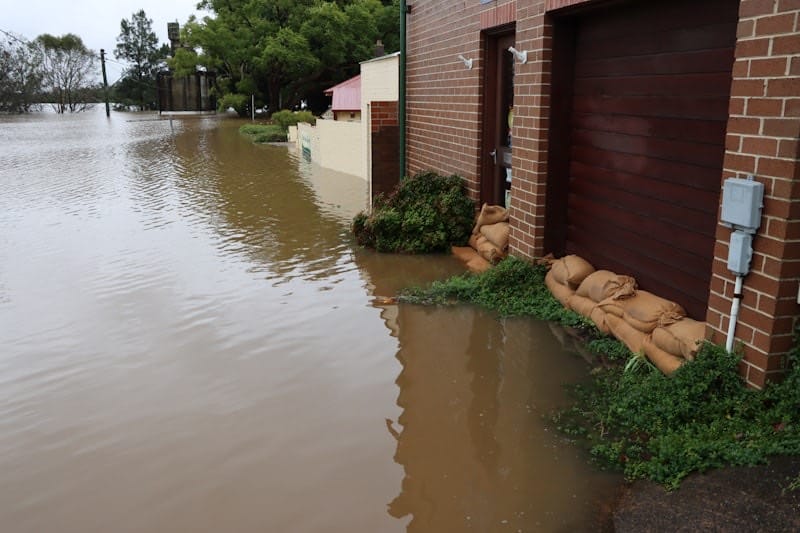
Many homeowners in St. George and Southern Utah assume they do not need a sump pump because we live in a desert. That assumption leads to some of the most expensive water damage claims our customers face. The reality is that Southern Utah's monsoon season brings sudden, intense rainfall that overwhelms storm drainage systems and saturates the clay-heavy soil around your home's foundation. When that water finds its way into your basement, crawl space, or lowest level, a working sump pump is the only thing standing between you and thousands of dollars in flood damage.
Red Rock Plumbing & Drain Cleaning installs, repairs, and replaces sump pump systems across Washington County. We help homeowners in St. George, Washington, Hurricane, Ivins, and surrounding communities choose the right pump for their home's risk profile, install it to code, and maintain it so it works when the next storm hits. We also install battery backup systems so your pump keeps running even during the power outages that often accompany severe storms.
Whether you need a new sump pump installation, a repair on an existing system, or a pre-monsoon checkup, call us at (435) 215-7553. Free estimates, no trip charges, and same-day service for urgent situations.
Don't Ignore the Signs
Warning Signs You Need Sump Pumps
Don’t wait until a small problem becomes a big one. Watch for these signs in your St. George home.
Pump Doesn't Turn On
If the pump fails to activate when water enters the basin, the float switch, motor, or power supply may have failed. This needs immediate attention before the next storm.
Unusual Noises
Grinding, rattling, or continuous humming from the sump basin indicates motor bearing failure, a jammed impeller, or debris caught in the pump.
Pump Runs Constantly
A pump that never shuts off may have a stuck float switch, a failed check valve allowing water to flow back, or a pump that is undersized for the water volume.
Water in Basement After Rain
If water is entering your basement despite having a sump pump, the system may be overwhelmed, the discharge line may be clogged, or the pump has lost capacity.
Tripped Breaker on Pump Circuit
Repeated electrical trips suggest a short in the motor, a ground fault, or the pump drawing excessive power — all signs of a pump nearing failure.
No Battery Backup Installed
If your sump pump runs on household power only, you have zero flood protection during power outages — which in Southern Utah often coincide with the heaviest storms.
Why Sump Pumps Matter in a Desert Climate
Southern Utah receives an average of only 8 inches of rainfall per year, but the way that rain arrives is the problem. During monsoon season — typically July through September — we can receive several inches of rain in a single storm event. The desert soil, baked hard by months of extreme heat, cannot absorb water quickly. Instead, water sheets across the surface and pools against foundations, retaining walls, and low-lying areas of your property.
The clay-heavy soil in Washington County compounds the issue. When clay soil gets wet, it expands and creates hydrostatic pressure against your foundation walls. This pressure forces water through any crack, gap, or joint in the foundation — and every concrete foundation has them. Even homes without basements can experience water intrusion into crawl spaces, window wells, and through slab cracks during heavy monsoon events.
A properly installed sump pump system collects this water before it causes damage. The pump sits in a pit (sump basin) at the lowest point of your basement or crawl space. Water flows into the basin through drain tile or perforated pipe installed around your foundation's interior perimeter. When the water level rises, the pump activates and pushes the water out through a discharge line to a safe drainage point away from your home.
Types of Sump Pump Systems We Install
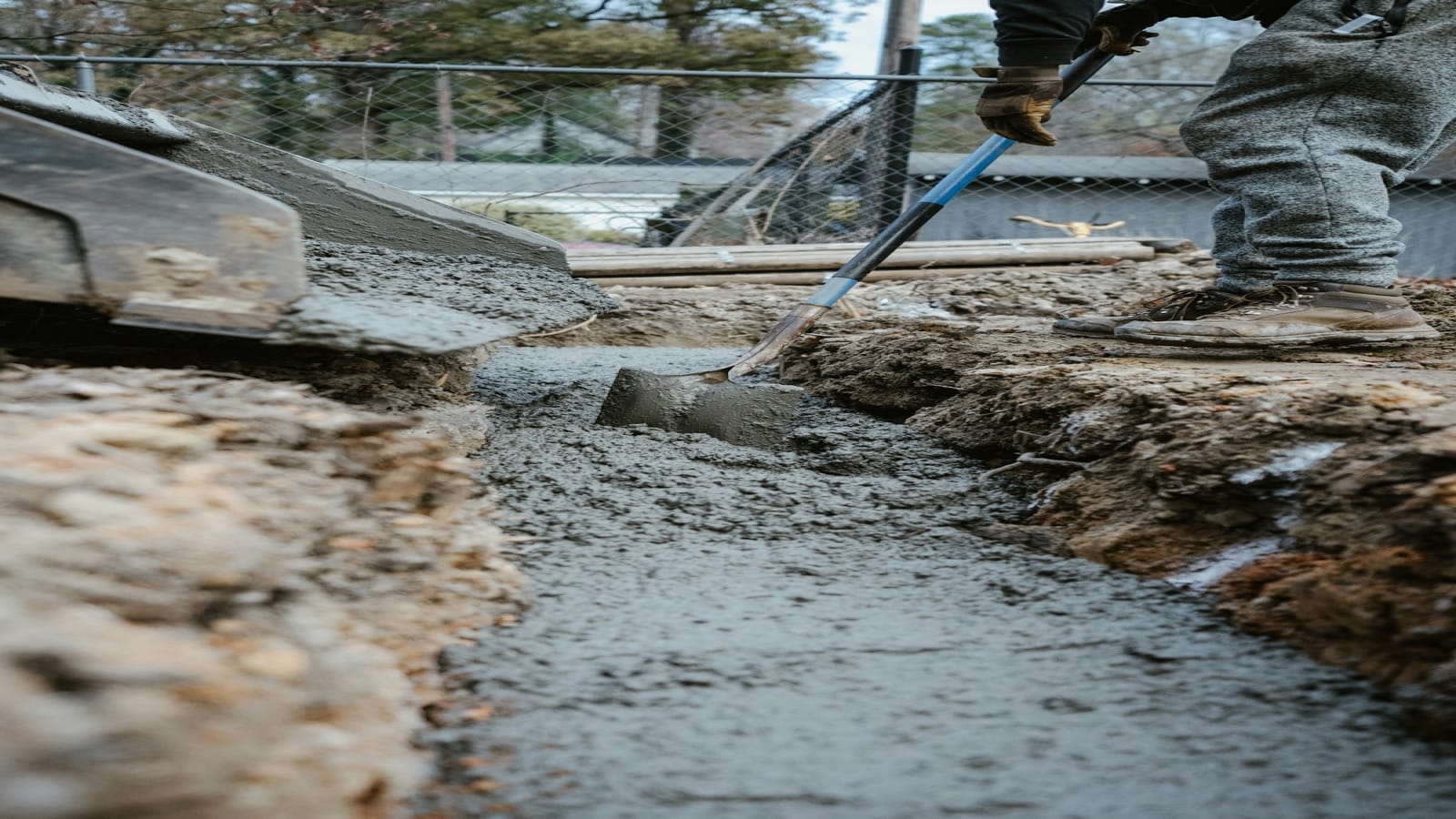
Not all sump pump systems are the same, and the right choice depends on your home's construction, your flood risk, and your budget. Our plumbers evaluate your specific situation and recommend the system that provides the best protection for your property.
- Submersible Sump Pumps — The most common type for finished basements. The motor and pump sit completely inside the sump basin below the floor, making them quieter and out of the way. We install these with sealed lids to prevent sewer gas and moisture from entering your living space.
- Pedestal Sump Pumps — The motor sits above the basin on a pedestal, with only the impeller submerged. Easier to access for maintenance and less expensive, but noisier. A good option for unfinished basements and crawl spaces.
- Battery Backup Sump Pumps — A secondary pump that runs on battery power when the electricity goes out. Essential in Southern Utah, where monsoon storms frequently knock out power at the exact moment you need your pump most.
- Combination Primary + Backup Systems — Our most recommended configuration. A high-capacity submersible pump handles normal conditions, with a battery backup pump ready to take over during power outages or if the primary pump fails.
- Water-Powered Backup Pumps — Uses your home's municipal water pressure to power a backup pump. No batteries to maintain, and it works as long as you have city water — a reliable option for homes with good water pressure.
Sump Pump Maintenance and Repair
A sump pump that sits unused for months can fail when you need it most. Southern Utah's dry climate means your pump may not run from October through June, and during that time, components can seize, float switches can stick, and check valves can fail. We recommend testing your sump pump at least quarterly and scheduling professional maintenance annually — ideally in the spring before monsoon season begins.
During a maintenance visit, our plumbers will clean the basin of debris and sediment, test the float switch at multiple water levels, verify the check valve is holding, inspect the discharge line for clogs or damage, and test the battery backup system if installed. We will also check for any signs of hard water mineral buildup on the pump and float mechanism, which is a common issue in St. George that many out-of-area plumbers overlook.
If your sump pump is making unusual noises, cycling too frequently, running without stopping, or simply not turning on, call Red Rock Plumbing for a diagnosis. We stock common replacement parts and pumps on our trucks for same-day repairs.
How It Works
Simple, Transparent Service
From the first call to the finished repair, we keep it straightforward. No runaround, no hidden fees.
Home Assessment
We evaluate your home's flood risk, foundation type, basement or crawl space layout, and existing drainage to determine the right system.
System Recommendation
We recommend the right pump type and capacity for your home, explain your options, and provide upfront pricing before any work begins.
Professional Installation
Our licensed plumber installs the sump basin, pump, discharge line, check valve, and backup system — all to code and tested before we leave.
Testing & Education
We fill-test the system to confirm proper activation and discharge, then show you how to test the pump yourself and when to schedule maintenance.
Options
Sump Pumps Options
Choose the right option for your home and budget. Our plumbers will help you decide.
Sump Pump Repair
Diagnosis and repair of failed or underperforming sump pumps — float switches, check valves, motors, and discharge lines.
- Float switch testing and replacement
- Check valve repair or replacement
- Motor and impeller diagnostics
- Discharge line clearing and repair
- Same-day service available
Primary + Battery Backup Installation
Complete sump pump system with a high-capacity primary pump and battery backup — the best protection for Southern Utah homes.
- Submersible primary pump
- Battery backup for power outages
- Sump basin with sealed lid
- Check valve and discharge piping
- Interior drain tile if needed
- Annual maintenance plan available
Battery Backup Add-On
Add a battery backup pump to your existing sump system so you stay protected during monsoon-season power outages.
- Compatible with existing sump basins
- Battery and charger included
- Alarm for low battery or activation
- Independent float switch
FAQ
Common Questions About Sump Pumps
Everything you need to know about sump pumps in St. George.
Do I really need a sump pump in St. George?
If your home has a basement, crawl space, or sits in a low area, yes. Southern Utah's monsoon season brings intense rainfall that overwhelms the clay-heavy soil and pools against foundations. We repair flood damage from every monsoon season in homes that did not have sump pumps. The investment in a pump is a fraction of the cost of water damage restoration.
How much does sump pump installation cost in Southern Utah?
A basic sump pump installation runs $800 to $1,500. A primary pump with battery backup system typically costs $1,500 to $3,000. If interior drain tile is needed around the perimeter of your basement, the total project can range from $3,000 to $6,000. We provide free on-site estimates.
How long do sump pumps last?
Most quality sump pumps last 7 to 10 years with regular maintenance. In Southern Utah, hard water mineral buildup can shorten pump life if the system is not maintained. Battery backup pumps require battery replacement every 3 to 5 years. Annual maintenance extends the life of all components.
What happens if my sump pump loses power during a storm?
Without a battery backup, your pump stops working the moment power goes out — leaving your home unprotected during the heaviest part of the storm. Battery backup systems automatically take over and can run for 8 to 24 hours depending on water volume. We strongly recommend backup systems for all Southern Utah sump pump installations.
How often should I test my sump pump?
We recommend testing your sump pump quarterly by pouring water into the basin until the float switch activates. In Southern Utah, where the pump may sit idle for months between monsoon seasons, quarterly testing catches problems before the next storm. Professional maintenance should be done annually, ideally in late spring.
Can a sump pump handle monsoon flooding?
A properly sized sump pump can handle most monsoon events. The key is matching pump capacity to your home's water intrusion volume. We size pumps based on your specific conditions — foundation type, soil drainage, lot grading, and historical water intrusion patterns. For homes with heavy water intrusion, we install high-capacity pumps rated at 3,000+ gallons per hour.
Where does the sump pump discharge water to?
The discharge line carries water to a safe drainage point away from your foundation — typically 10 to 20 feet from the house, discharging onto a downhill grade or into a dry well. We never discharge sump water into the city sewer system, which is a code violation. Proper discharge placement is critical to prevent the water from cycling back to your foundation.
Do you service existing sump pump systems?
Yes. We repair and maintain all sump pump brands and types. Common services include float switch replacement, check valve repair, motor diagnostics, discharge line clearing, battery backup testing, and basin cleaning. Call (435) 215-7553 to schedule a maintenance visit or diagnosis.
Sump Pumps Across Southern Utah
We provide sump pumps in every community we serve. Click your city to learn more.
More Services
Related Plumbing Services
Ready to Get Started?
Need Sump Pumps?
Call Red Rock Plumbing today for a free estimate. Available 24/7 for emergencies.